
Raccoons are among the most intelligent and destructive wildlife species in Southern Ontario. While they are a common sight from the suburban streets of Oakville to the rural landscapes of Brantford and Beamsville, they become a massive liability when they break into your home. A raccoon in your attic isn't just a nuisance; it's a threat to your property's structural integrity and your family's health.
At City Wildlife Control, we provide expert, humane raccoon removal services across the entire Golden Horseshoe. Whether you are dealing with a mother raccoon in Hamilton or a destructive intruder in St. Catharines, our team has the local expertise and specialized equipment to solve the problem permanently.


Raccoons are nocturnal, so you may not see them, but you will certainly hear or see the evidence of their presence. Homeowners in Burlington and Niagara should look for these common warning signs:
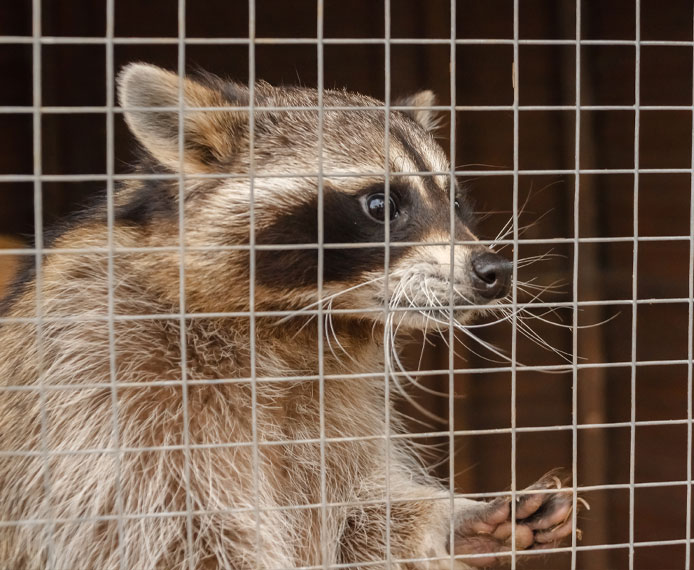
Raccoons weigh between 10-20 lbs. (sometimes up to 50), are crafty, and can get out of most traps sold in stores, making professional raccoon removal necessary. There are no effective raccoon repellents. While cute, a raccoon’s bear-like temperament makes it unsuitable for close contact or being a pet. Infested attics need to be cleaned and decontaminated after raccoon removal to avoid infection by disease or bacteria.
Here are the main problem you may encounter when dealing with a raccoon.

Living underneath concrete slabs, such as sheds, decks, front steps, crawlspaces, attics and more.

Cause damage to attics and roofs, Chew through wires; Damage wooden joists; and overall property damage.

Steal pet food and bird seed, Tip over garbage cans, Alarm dogs, cats and other pets with their presence during the night due to their nocturnal habits

Carry fleas, ticks and other parasites, leading to even more diseases, spread diseases, including rabies, to humans and pets

Cause further problems under decks, front porches, decks, and other concrete slabs

Lacking natural predators, which can create overpopulation
We don't want to skew your judgement by giving you our hand picked review so just check out our google reviews. We know we are a stellar business with incredible prices and services so just check us out!!!
Because there are dangerous conditions such as leptospirosis that can be transmitted through raccoon feces, you should always take the appropriate precautions before entering a confined area where raccoons have been, or disturbing a raccoons nest. Because the animals do create a significant amount of droppings, and some diseases can become airborne, it is important to wear a pair of goggles and a breathing apparatus during removal to filter out any harmful spores. It is also important to dispose of the feces appropriately, as even if it is buried dogs and other animals can dig it up. Ensure that the feces is placed in a sealed container or garbage bag, and that it is either put out with the garbage or incinerated.


Discourage raccoons around your residence

Never feed raccoons
Feed pets inside and store pet food inside

Prevent raccoons from entering your house through pet doors or other openings

Keep garbage cans inside and use locking or secured lids outside

Clean barbecue grills after each use

Use secure bins for food composting

Avoid contact with raccoon feces and safely clean up areas where raccoons defecate (raccoon latrines) on your property.

Avoid direct contact with water, soil and vegetation contaminated with raccoon urine.
Here are some final thoughts we have to share with you directly from our owner operator of 20 years Dan Adamson. After this I'm sure you will be convinced that we are the right team for you and DIY may no be the best option in this case.
Raccoons don't just find holes; they create them. They can tear off soffit panels, rip open roof vents, and even pull apart chimney caps. Once inside, they destroy insulation by trampling it and using it as a latrine, which ruins your home's R-value (insulation efficiency).


Raccoon droppings are known to carry Baylisascaris procyonis (Raccoon Roundworm), which can be fatal to humans and pets if spores are inhaled. They are also primary carriers of Rabies and Distemper in the Southern Ontario region. Our team uses professional-grade PPE and hospital-grade disinfectants to safely clean and decontaminate your attic.
From March through July, there is a 90% chance that a female raccoon in an attic has a litter of babies. If you seal the hole or trap the mother without removing the kits, the mother will cause thousands of dollars in damage trying to rip her way back in—or the babies will die inside your walls, leading to severe odor and insect problems.


1. Best possible customer service in the market
2. Best possible prices in the market
3. Best possible humane removal of wildlife in the market.
To this day we strive to meet each of these goals with every customer we have the pleasure of working for. I give you my word.
.png)

citywildlife@rogers.com

(905) 632-3223

Hamilton, Burlington, Oakville, Niagara, Brantford Mississauga and everything in between.


